Led by
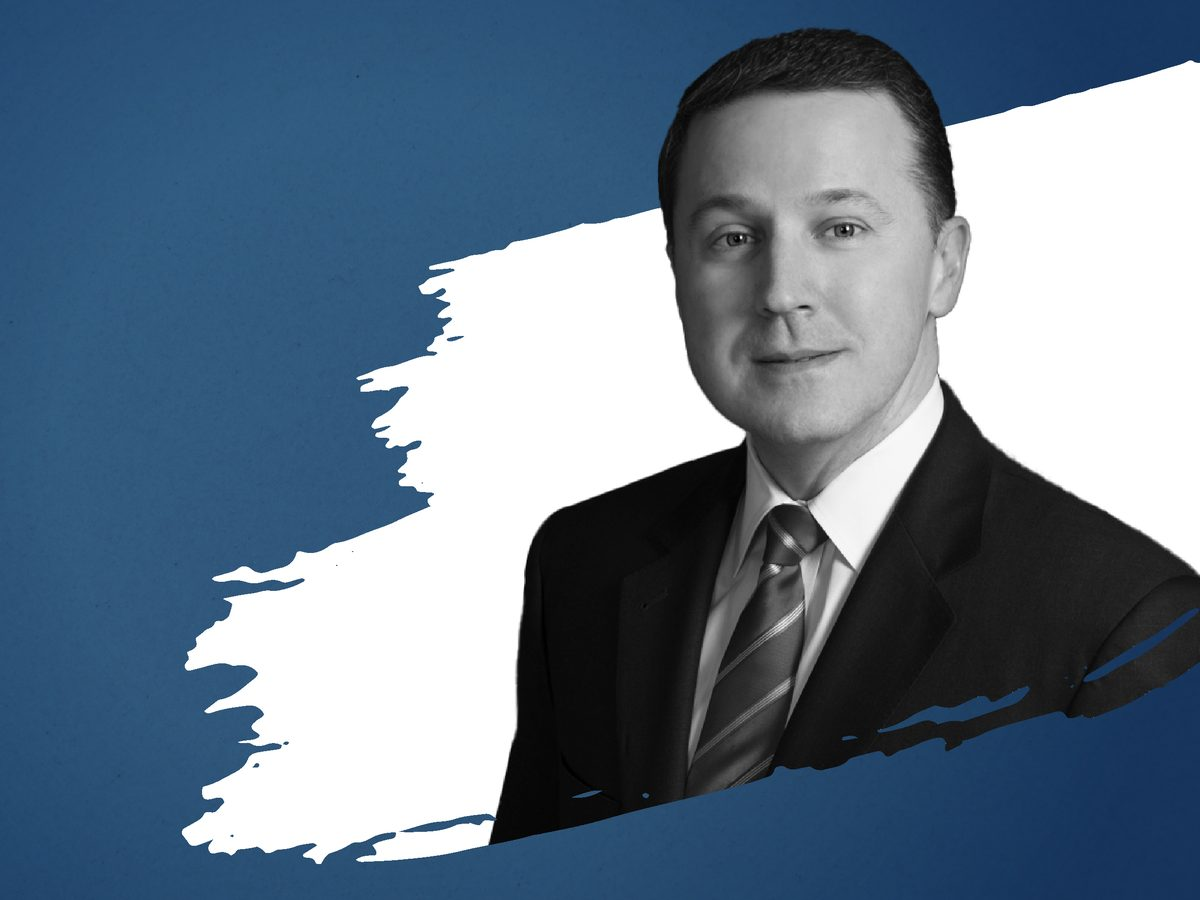
Dr. Alexander Stojadinovic
Board Secretary
A physician-scientist with more than 200 peer-reviewed publications, Dr. Stojadinovic checks this page for accuracy. It explains type 1 diabetes clearly and is not a substitute for care from your own doctor.
Meet the board →What Is Type 1 Diabetes?
Understanding Type 1 Diabetes (T1D)
Type 1 Diabetes is a chronic autoimmune condition in which the body attacks insulin-producing beta cells in the pancreas. It most commonly appears in children, teens, and young adults—and it requires lifelong insulin therapy.
The Kopp Foundation focuses on T1D because it strikes early, progresses fast, and disproportionately impacts youth who face major barriers to diagnosis, treatment, and support.
Fast Facts About T1D
- 1.45 million Americans live with T1D—including over 300,000 children
- T1D incidence is rising fastest among children under age 18
- 1 in 4 T1D patients in the U.S. ration insulin due to cost
- Most youth diagnosed with T1D had symptoms that went unrecognized for months
- Philadelphia has among the highest pediatric diabetes rates in the country
Know the Signs (Especially in Kids & Teens)
T1D symptoms can appear suddenly. Early recognition saves lives.

Excessive thirst and frequent urination
Extreme fatigue or irritability

Unexplained weight loss

Blurry vision
Slow-healing wounds

Fruity-smelling breath

Risk Factors
- While the exact cause of T1D is unknown, risk factors include:
- Family history of autoimmune disease
- Certain viral exposures
- Geographic and environmental triggers
- T1D is not caused by poor diet or lack of exercise.
Early Detection & Diagnosis
- Our Youth Ambassadors and volunteers run:
- Campus education events
- Community education campaigns
Treatment Today, Innovation Tomorrow
- Insulin: The core therapy—but still unaffordable for many
- CGMs: Real-time glucose monitoring is transforming lives
- Research: The foundation does not conduct clinical or medical research.
Prevention & Support
- While T1D can’t currently be prevented, early diagnosis and education can prevent complications.
- Healthy lifestyle education

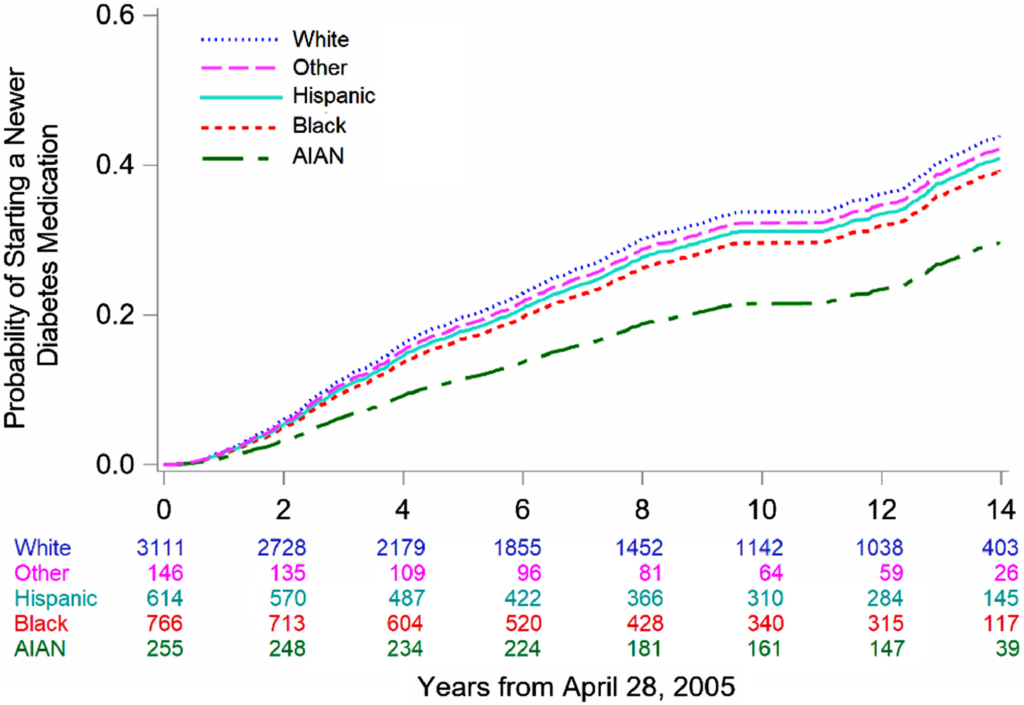
🤝 Health Equity & T1D
- Black, Latino, and Indigenous youth are:
- Diagnosed later
- Have less access to CGMs
- Are more likely to be hospitalized from diabetic complications
- We help through the Family Mini Grant and campus education.