
Your child with Type 1 diabetes has a legal right to manage their diabetes safely at school, and a 504 plan is the written agreement that makes that right real. It spells out who checks blood sugar, where insulin is given, what happens on field trips and during exams, and which adults are trained to help. Getting one is a normal process: request an evaluation in writing, bring your care team’s medical plan, and meet with the school.

What a 504 Plan Is (and Is Not)
Section 504 of the Rehabilitation Act of 1973 is a federal civil rights law. It says a student with a disability that substantially limits a major life activity cannot be excluded from, or treated unfairly in, programs at a school that receives federal funding, which includes nearly all public schools and many private ones.
Type 1 diabetes qualifies: it substantially limits major life activities including eating and endocrine function, and federal guidance treats diabetes as a disability for these purposes.
A 504 plan is different from an IEP (Individualized Education Program). An IEP covers special education instruction for students whose disability affects their learning. A student with T1D who is doing fine academically usually needs a 504 plan, not an IEP: the goal is equal access and safety, not modified instruction. Some students have both; many have only the 504. The plan is a short written document listing the accommodations the school will provide, and if it is not written down, it is very hard to enforce.
Start With the DMMP: Your Care Team’s Medical Plan
Before the school meeting, you need one document from your child’s care team: the Diabetes Medical Management Plan (DMMP). It typically covers:
- Target blood sugar range and check times (before meals, PE, and when symptomatic)
- Insulin doses, correction factors, and carbohydrate ratios, or pump settings
- How to treat lows, including fast-acting glucose amounts and when to recheck
- When and how glucagon is given, and when to call 911
- Ketone checking instructions and thresholds for calling parents
- The student’s independence level: what they can do alone, what needs supervision
The ADA publishes a standard DMMP template that most endocrinology practices use. Ask your care team to complete it before the school year starts, and update it whenever doses or devices change.
What a Good 504 Plan Includes
With the DMMP in hand, the 504 plan should address at least the following:
Daily Diabetes Care
- Blood sugar checks as the DMMP directs, in the classroom if needed, without academic penalty for time spent
- Insulin administration by the school nurse or a trained staff member, or self-administration if the DMMP authorizes it
- Unrestricted access to water, the bathroom, fast-acting glucose, and diabetes supplies at all times
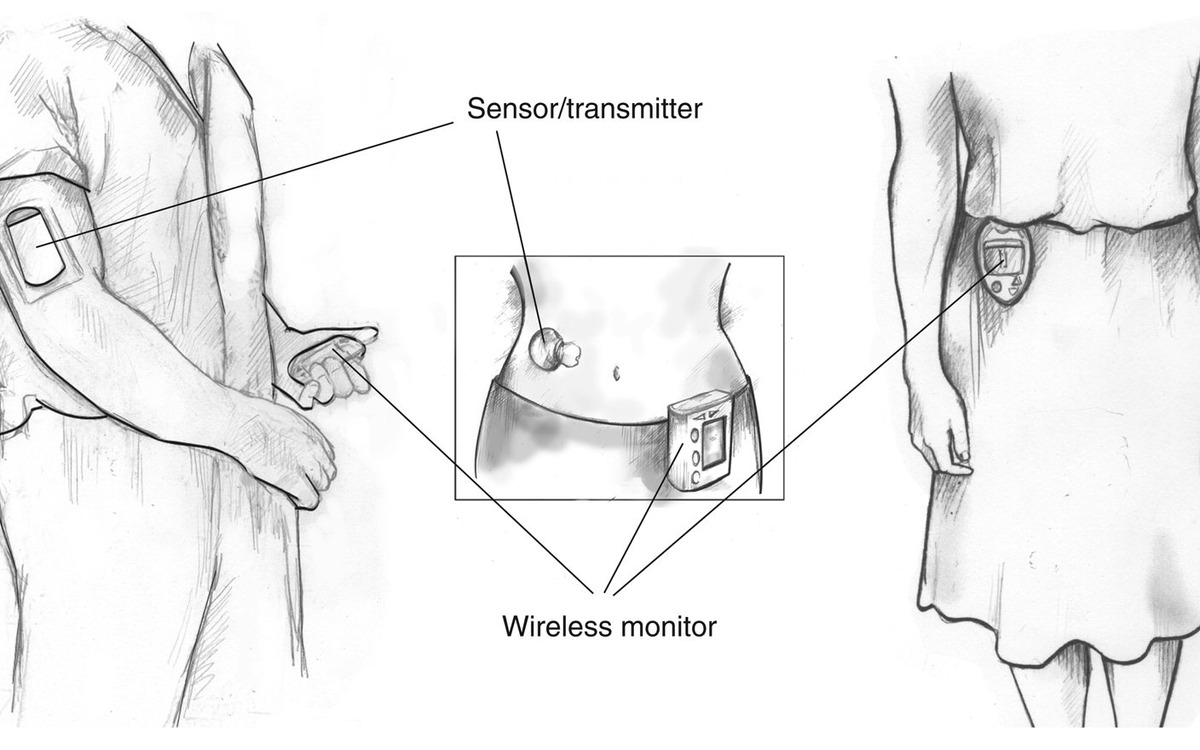
- CGM accommodations: your child may keep the phone or receiver that displays their CGM, and staff should know its alarms
Lows, Highs, and Emergencies
- Hypoglycemia treatment wherever the student is, classroom, gym, hallway, never sending a low child to the nurse alone
- Glucagon stored accessibly (not locked away), with trained personnel authorized to give it and call 911
- Ketone protocols per the DMMP, including when to call parents
Exams and Academics
- Testing accommodations: if blood sugar is out of range during a test, the student may treat, recover, and finish or reschedule without penalty, for classroom tests and, with advance documentation, standardized exams
- Excused absences for medical appointments and diabetes-related illness, with a fair chance to make up work, and no penalties for diabetes care: a student should never lose recess, points, or privileges for checking blood sugar or treating a low
Beyond the Classroom
- Field trips and extracurriculars: a trained adult accompanies the student, supplies travel, and diabetes care continues on school-day terms. A child cannot be excluded from a trip because of diabetes.
- Sports and PE: participation on equal terms, with glucose and supplies at the sideline
- Substitute teachers receive the essentials: symptoms of lows, where supplies are, and who the trained staff are
- Trained personnel: at least one, ideally two or more, staff members trained in checks, insulin, and glucagon, present whenever your child is at school or a school activity
How to Request a 504 Plan, Step by Step
- Write the request. Send a short letter or email to the principal or 504 coordinator requesting an evaluation for a Section 504 plan for your child, who has Type 1 diabetes. Written requests create a record. Keep a dated copy.
- Attach documentation. Include the completed DMMP and, if you have it, a letter from the endocrinologist confirming the diagnosis.
- Attend the eligibility meeting. The school convenes a team, often the counselor, nurse, teachers, and you, to confirm eligibility and draft the plan. Bring the DMMP and the checklist above.
- Review the draft carefully. Check trained staff names, supply and glucagon locations, exam language, and field trip coverage. Vague plans (“as needed”) fail in practice; specific plans work.
- Sign, copy, and calendar a review. Get a signed copy. Review at least annually, and whenever the DMMP changes. Do this in spring or early summer if you can, so the plan is active on day one.
If the School Resists
Most schools handle this routinely. If yours resists, escalate calmly and in writing, in roughly this order:
Put concerns in writing to the 504 coordinator and principal. Many problems are one overwhelmed staff member, not a policy. A clear written request with the DMMP attached resolves most of them.
Go to the district’s 504 coordinator, who can usually correct a building-level refusal quickly.
Use free expert help. The American Diabetes Association’s Safe at School program exists for exactly this situation. The ADA offers guidance, and in some cases advocacy support, to families facing school problems.
File with your state education agency, which oversees district compliance and accepts parent complaints about 504 implementation.
File a complaint with the U.S. Department of Education’s Office for Civil Rights (OCR). This is the federal enforcement route for Section 504, and complaints are free to file.
Through all of this, keep records: dates, names, what was said, what was promised. Calm, documented persistence wins these cases, and legally they are very winnable.

The Bigger Picture
A 504 plan is paperwork, but what it buys is normalcy: your child eats, plays, tests, and travels like everyone else. And when everyday costs are part of the strain, families can apply for support through the Kopp Foundation for Diabetes. Safe at school should never depend on what a family can afford.
This article is general information for families and is not medical advice, and it is not legal advice. For medical decisions, talk with your child’s care team; for legal questions about your child’s rights, consult your state education agency or an education attorney.