
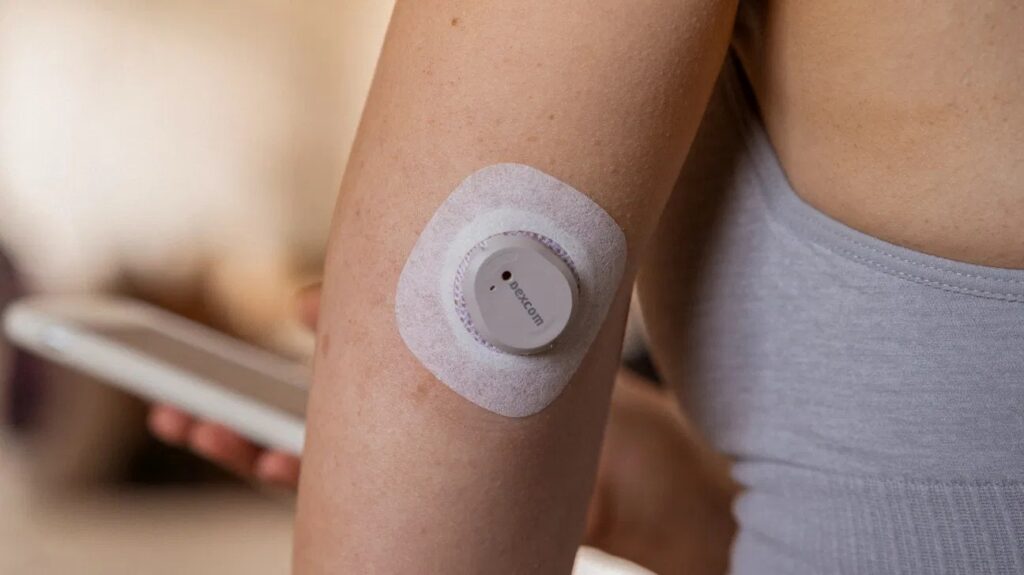
Type 1 diabetes never takes a day off, and neither do its bills. Insulin, continuous glucose monitor (CGM) sensors, test strips, pump supplies, clinic visits and the occasional emergency supply run add up month after month. For many families, finding type 1 diabetes financial assistance is not a one-time search. It is a skill they have to build, often while exhausted and in the middle of a crisis.
This guide walks through the main routes to financial assistance for type 1 diabetes, in the order families usually find them most useful: help built into the system first, then manufacturer programs, then nonprofit and community support, including the Kopp Foundation for Diabetes.
Why T1D costs hit families so hard
Type 1 diabetes is an autoimmune condition. The body stops producing insulin, so insulin is not optional medication; it is life support, every single day. A CGM is not a luxury gadget either. For children especially, it is how parents see a dangerous low coming in time to act.
The problem is that the costs arrive in layers. There is the insulin itself. There are sensors that must be replaced every 10 to 14 days. There are transmitters, infusion sets, reservoirs, ketone strips and glucagon. Then come the pharmacy surprises: a deductible resets in January, a brand moves to a different tier, a prior authorization lapses, and a supply that cost one amount in December suddenly costs several times more in January.
When families search for diabetes financial assistance, they are usually not looking for charity in the abstract. They are looking for a way to keep a child safely supplied without skipping rent, groceries or a car payment. That is the right instinct, and there are more routes to help than most families are ever told about.
Route 1: Make the insurance you already have work harder
Before looking outside, it is worth pressing on the coverage already in place.
- Ask about formulary alternatives. A different insulin brand or a different CGM model may sit on a lower tier. The prescribing clinician can often switch with a short note.
- Appeal, in writing. Denials for CGM coverage or insulin quantity limits can be appealed, and a letter of medical necessity from the endocrinology team changes outcomes. Keep copies of everything.
- Check the deductible math. Some families save money by filling a 90-day supply once the deductible is met, rather than monthly fills at a higher effective price.
- School-age children: a 504 plan can cover how supplies are stored and used at school, which prevents the quiet extra cost of duplicate supply stashes.
None of this is fast, which is exactly why families also need the routes below.
Route 2: Manufacturer patient assistance programs
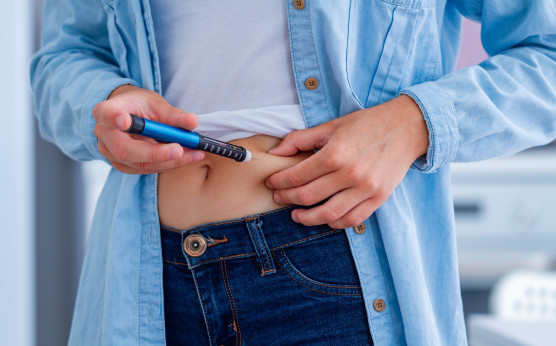
Every major insulin and device maker runs a patient assistance or savings program. The names and terms change, so always confirm the current details on the manufacturer’s own site, but the pattern is consistent:
- Insulin manufacturers (including Lilly, Novo Nordisk and Sanofi) operate patient assistance programs that can provide insulin at low or no cost to qualifying uninsured or underinsured patients, plus copay cards for people with commercial insurance.
- CGM makers (including Dexcom and Abbott) run savings and support programs, and their support teams can sometimes bridge a supply gap while an insurance appeal is pending.
- Pharmacy discount programs can cut the cash price of insulin and supplies when insurance fails, although they cannot be combined with insurance.
Two practical tips. First, apply even if the income guidelines look borderline; guidelines and exceptions change. Second, ask the diabetes clinic’s social worker or educator to help with the paperwork. They do these applications every week and know which form each program actually wants.

Route 3: Nonprofit and community assistance
This is where organizations like ours work. The Kopp Foundation for Diabetes provides financial assistance to families living with type 1 diabetes, helping cover the cost of insulin, continuous glucose monitors and other essential care. If your family needs help affording T1D care, you can apply for support through our financial assistance page.
A few honest notes about nonprofit assistance, ours included:
- Funds are finite and raised from donors, so programs may ask for documentation of the cost and the gap you are facing. Having a pharmacy printout and a short explanation ready speeds everything up.
- Apply early. The worst time to assemble paperwork is the night the last sensor fails. If you can see a gap coming, such as a job change or a deductible reset, reach out before it lands.
- Combine routes. Nonprofit help works best alongside manufacturer programs and insurance appeals, not instead of them. A small grant that covers one month of sensors can be the bridge while a bigger appeal is decided.
Local diabetes camps, hospital foundations and disease-specific funds can also help, and our team connects families with cost-saving resources and navigation help alongside direct support.
What to gather before you apply anywhere
Whichever route you take, the same short folder of documents comes up again and again:
- Proof of the type 1 diabetes diagnosis (a clinic letter is usually enough).
- The prescription or supply list, with quantities.
- A pharmacy or supplier quote showing the actual out-of-pocket cost.
- Insurance details, and any denial letter if you have one.
- A few sentences, in your own words, about the gap: what changed, and what you need to stay safely supplied.
You do not need a perfect application. You need a clear one.

A word for parents doing this at midnight
Most people find this page the way you probably did: searching for help paying for insulin or CGM supplies, late, worried, and tired of being told to call another number. The system is fragmented, and needing help navigating it says nothing about you as a parent. It says the costs of staying alive with type 1 diabetes are genuinely high, and that families were never meant to carry them alone.
Start with one route today. Press the insurance appeal, send one manufacturer application, or apply for support from a nonprofit like the Kopp Foundation. Each step makes the next one easier, and every month of safe supply you secure is a month your child does not have to think about money when they should be thinking about being a kid.