
A diabetes summer camp is a regular camp, swimming, crafts, late-night cabin talk, built around one difference: everyone there has Type 1 diabetes, and trained medical staff handle the care your child usually manages at home. For many families, it is the first place a child with T1D feels completely ordinary. Costs vary widely, from free to roughly $1,500 a week, and scholarships (often called “camperships”) are common enough that no family should rule camp out on price alone.
This guide covers what these camps are, what they cost, how the financial aid works, and the questions worth asking before you register.
What Is a Diabetes Camp?
Diabetes camps are summer programs designed specifically for children and teens with Type 1 diabetes. Some also welcome siblings, and a few run family weekends where parents attend too.
Two things set them apart from a standard camp:
Medical care is built in, not bolted on. Physicians, nurses, dietitians, and diabetes educators are on site, usually around the clock. They check blood sugars at meals and overnight, adjust insulin for activity, treat lows, and manage pumps and CGMs. Many counselors have T1D themselves.
Diabetes stops being the thing that makes your child different. At breakfast, everyone counts carbs. At the pool, everyone’s CGM is visible. Kids trade pump-site tips the way other campers trade baseball cards.
Overnight vs. Day Camps
Overnight (resident) camps typically run one to two weeks. They suit children roughly ages 7 to 17, and give kids a first experience of managing diabetes away from home with professional backup. For many parents, it is also their first full night’s sleep in months.
Day camps run during daytime hours and work well for younger children (often ages 5 to 12) or first-time campers not ready to sleep away. They cost less and let families test the waters. The American Diabetes Association runs Diabetes Camp programs in many states, and independent camps operate nationwide.
What Does Diabetes Camp Cost?
Prices vary by region, session length, and how much donor fundraising subsidizes the camp. As a rough guide:
- Day camps: often free to a few hundred dollars per week
- Overnight camps: roughly $500 to $1,500 per week at full price
- Family camps: usually priced per person or per family for a weekend
Treat those numbers as a starting range, not a quote. The listed price is rarely the price every family pays, which brings us to the most important part of this article.
How Camp Scholarships (“Camperships”) Work
Almost every established diabetes camp reserves a meaningful share of its budget for financial aid. The mechanisms differ, but the pattern is consistent:
Sliding scales and camperships. Many camps set fees by household income: you submit a short form, sometimes with a tax return or pay stub, and the camp tells you your reduced rate. Donor-funded camperships cover part or all of tuition; some are need-based, others open to any first-time camper.
First-come deadlines. Aid funds are finite and often allocated in early spring. Families who apply in January or February do far better than families who apply in May.
Outside help stacks. Local Lions Clubs, Rotary chapters, churches, and diabetes organizations sometimes sponsor individual campers. Your child’s endocrinology clinic often keeps a list; ask at your next appointment.
If camp money is one piece of a bigger cost picture, insulin, sensors, supplies, you can also apply for support through the Kopp Foundation for Diabetes, and our companion guide to financial assistance walks through the main programs families use for everyday diabetes costs.
One practical tip: if a camp’s website does not mention aid, call anyway. Camps that help families quietly do not always advertise it, and a two-minute call regularly turns a $1,200 sticker price into a manageable one.
Questions to Ask Before You Register
A short call with the camp director will tell you more than any brochure. Ask:
- Who is on the medical team, and who is on site overnight? You want licensed medical staff present 24 hours, not on call from town.
- How do you handle pumps and CGMs? Most camps support them; a few still run on injections and fingersticks. Know which before your child arrives.
- What is your protocol for severe lows? Glucagon should be on hand, staff trained to use it, with a written plan.
- How often do you check blood sugar overnight? Especially important if your child does not feel lows coming.
- Can my child reach me, and can I reach the camp? Many camps limit phones, which most kids end up loving, but know the rules in advance.
- What training do counselors get? Counselors should be trained in hypoglycemia recognition and treatment even if they are not medical staff.
- What does the fee include, and what aid is available? Ask directly. It is a normal question and camps expect it.
Why the Peer Experience Matters So Much
Ask adults with T1D about diabetes camp and a striking number name it as a turning point. Competence grows fastest around people like you.
A nine-year-old who watches a teenager calmly treat a low and get back in the game learns something no clinic visit teaches. A teen who has hidden her pump for two school years spends a week where nobody hides anything. Kids come home more willing to check, dose, and speak up, because they have seen a whole community do it as a matter of course.
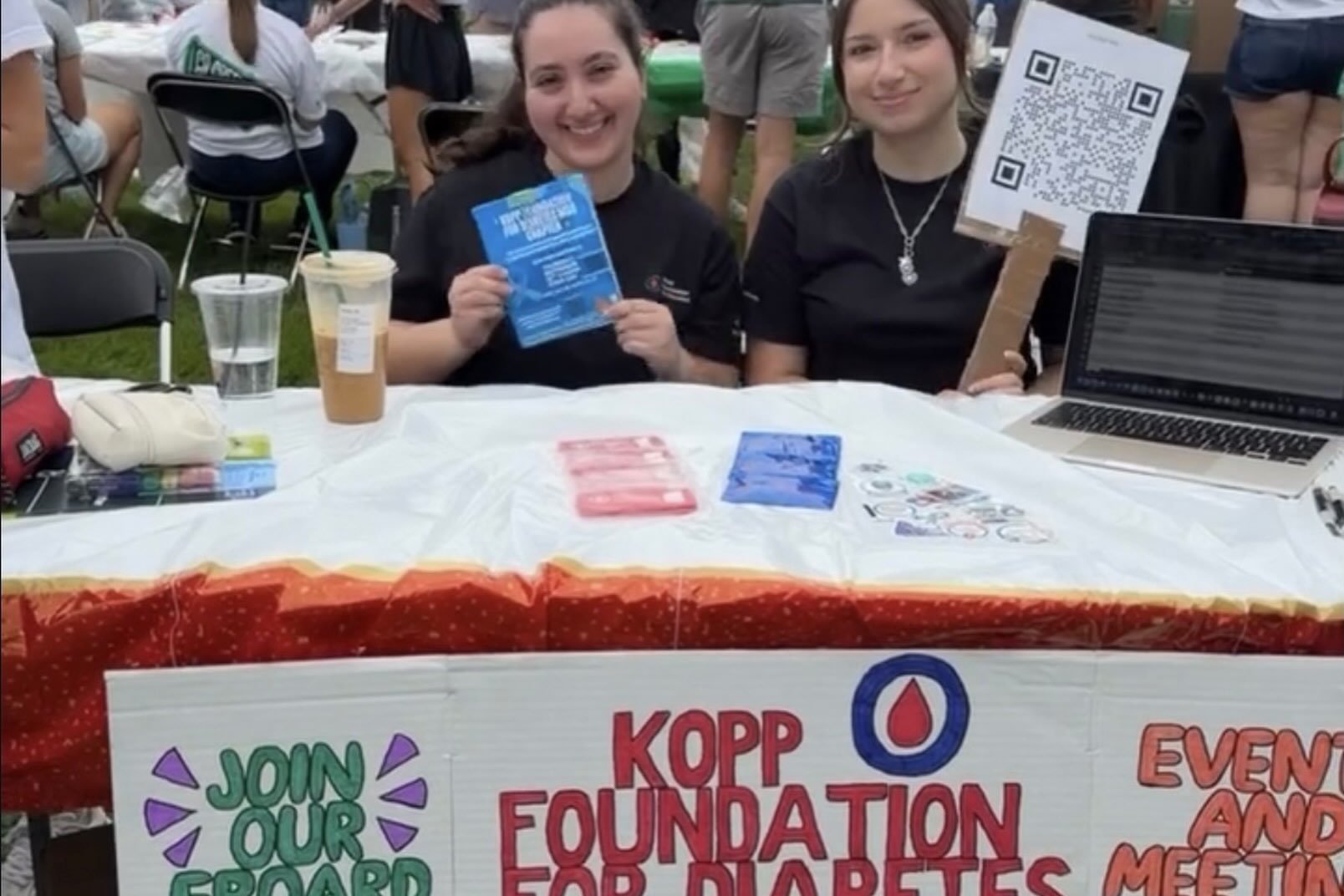
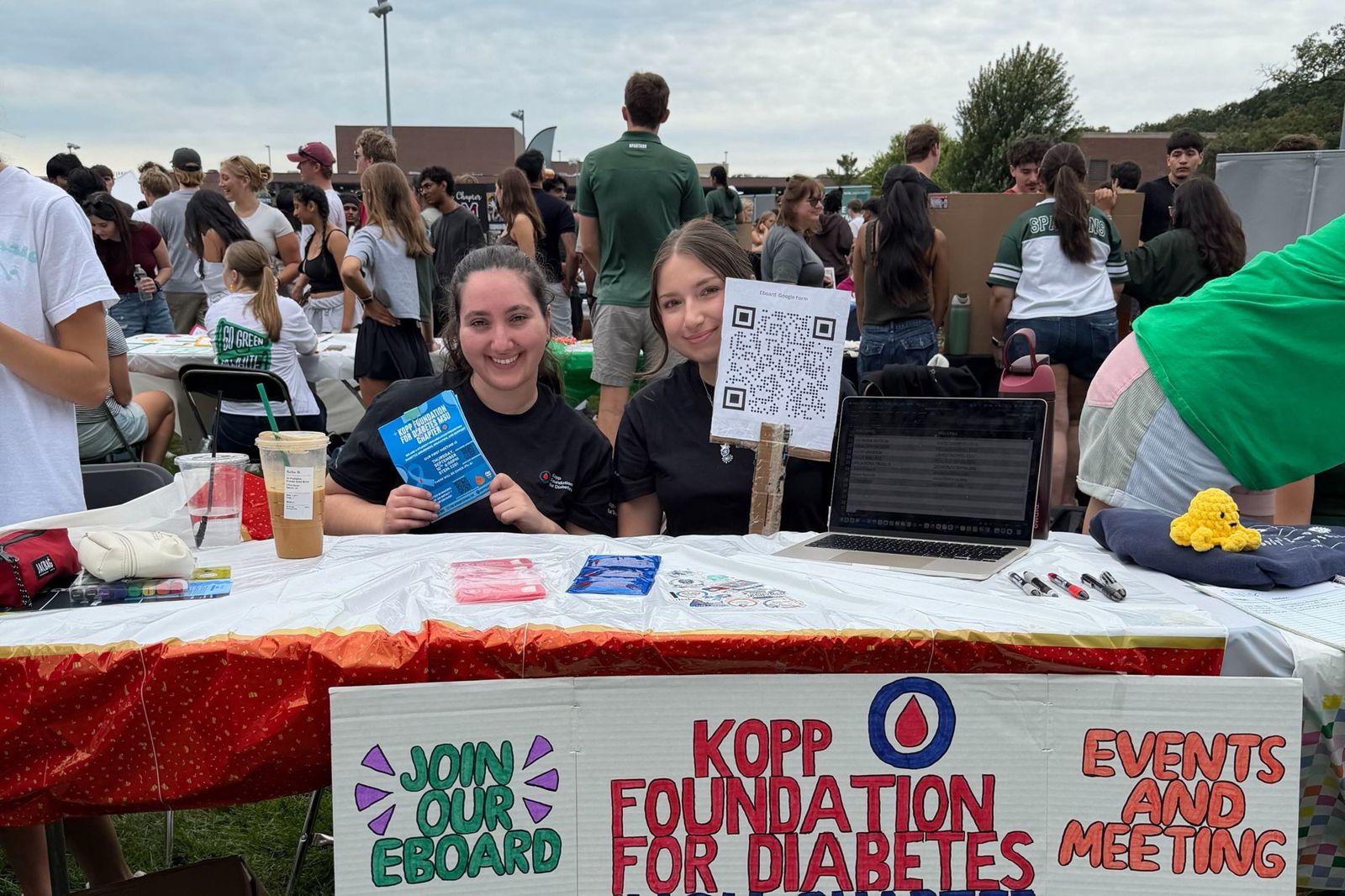
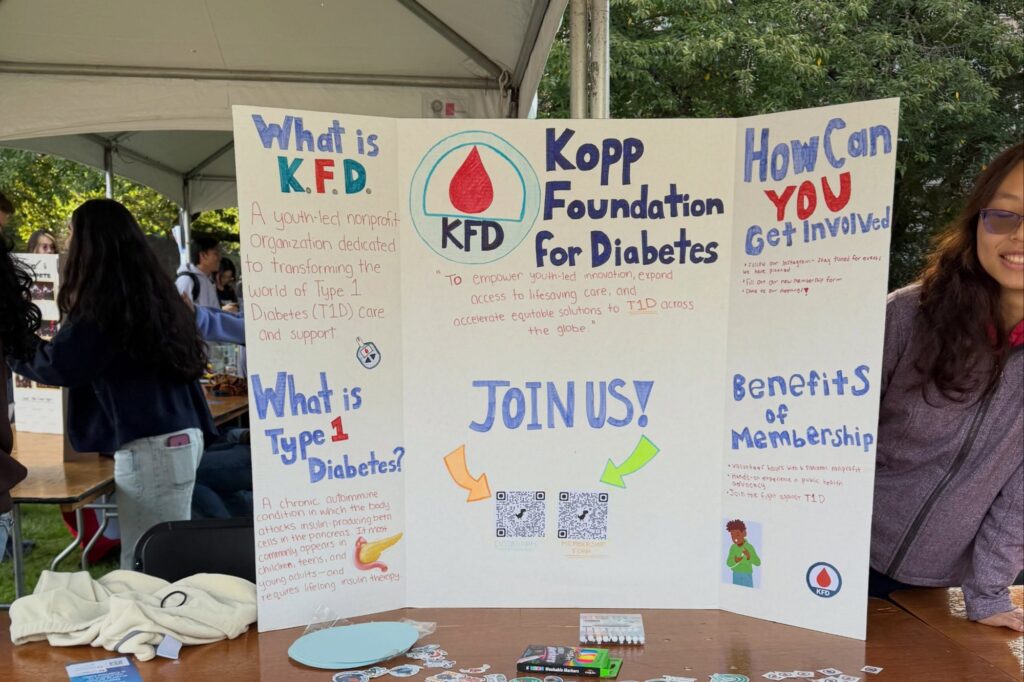
That is the same conviction behind our work at the Kopp Foundation for Diabetes. Our peer educators are university students who teach younger students that managing T1D is a skill you can learn and a life you can live fully. Camp is often where that story starts: a child meets an older kid who “has it too,” and the future gets bigger.

A Simple Planning Timeline
- December to February: Shortlist two or three camps; registration and campership applications open.
- February to March: Submit campership applications early, while funds last.
- April to May: Confirm medical forms with your child’s endocrinology team; most camps require one.
- Two weeks before camp: Review the packing list, label supplies, and send extra sensors, infusion sets, and low treatments.
Diabetes camp is not a luxury add-on to a childhood with T1D. For many families it is the week their child stops feeling like the only one. With camperships and sliding scales, it is within reach of far more families than sticker prices suggest. Start early, ask about aid out loud, and let your child spend a week where diabetes is just part of the scenery.
This article is general information for families and is not medical advice. Talk with your child’s care team about what is right for your child.