
A continuous glucose monitor (CGM) for a child with Type 1 diabetes typically costs somewhere between about $100 and $400 per month out of pocket without insurance, depending on the system, the pharmacy, and whether you use a manufacturer program or discount card. That is a wide range, and it is exactly why families get surprised at the pharmacy counter. This guide breaks down what you are actually paying for, how the two main systems compare, and where the price can come down.
What a CGM Is and Why It Matters for Kids with T1D
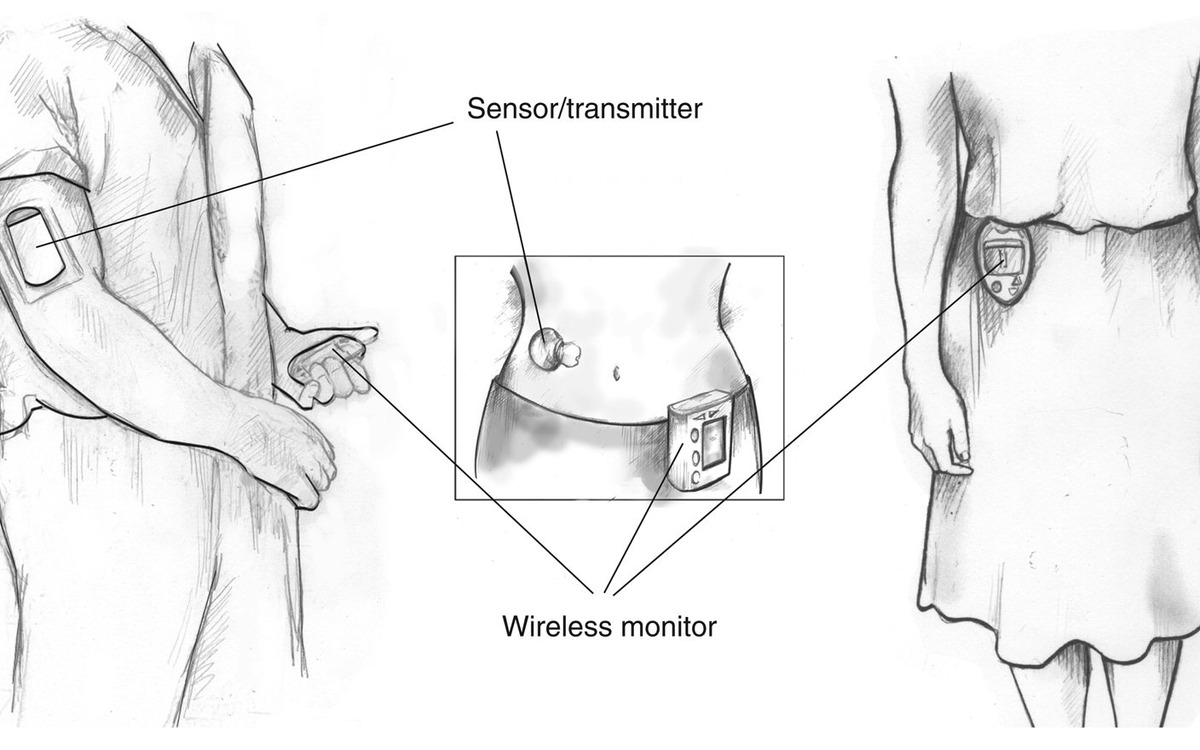
A CGM is a small wearable sensor, usually worn on the arm or abdomen, that reads glucose levels from the fluid under the skin every few minutes, day and night. Instead of a handful of finger-prick checks, parents and care teams get a near-continuous picture: current level, direction, and speed of change.
For children with Type 1 diabetes, that matters in practical ways. A CGM can alert a parent at 2 a.m. before a low becomes dangerous. It shows whether a pre-soccer snack was enough. It lets a school nurse, a coach, or a grandparent see what is happening without another needle. Many endocrinologists now consider a CGM standard of care for children on insulin, which is why most insurance plans cover one, though coverage is never automatic.
The Two Main Systems, in Plain Terms
Dexcom G7
The Dexcom G7 is an all-in-one sensor and transmitter worn for up to 10 days, with a short warm-up of about 30 minutes. Readings go to a phone app, an optional receiver, or compatible insulin pumps and smartwatches. The G7 has customizable alerts, including an urgent low alarm, and a “follow” feature that lets up to 10 people, such as parents, see the readings remotely. There is no separate transmitter to buy; each sensor includes one.
FreeStyle Libre 3
The FreeStyle Libre 3 is a small, one-piece sensor worn on the back of the upper arm for up to 14 days, with a warm-up of about 60 minutes. It sends readings to a phone app every minute and offers optional alarms for high and low glucose. It is known for its small size, which many younger children tolerate well. There is no separate transmitter; readers are optional since most families use the phone app.
Both systems are FDA-cleared for young children (Dexcom G7 from age 2, Libre 3 from age 4), and both still require finger-prick checks in some situations, such as when readings don’t match how your child feels. Neither is “better” for every family; fit, alarms, pump compatibility, and cost often decide it.
What You Actually Pay Without Insurance
Prices change often, vary by pharmacy, and depend on discount programs, so treat the figures below as typical recent ranges, not quotes. Always check current pricing before you buy.
Dexcom G7
- Sensors: one sensor lasts 10 days, so a month needs roughly three. List prices have commonly run around $170 to $200 per sensor, putting a month’s supply in the $500-plus range at full list price.
- With pharmacy discount cards or cash-pay programs, many families pay closer to $150 to $350 per month.
- Receiver: optional, roughly $100 to $350 one time, if your family prefers a dedicated device over a phone.
FreeStyle Libre 3
- Sensors: one sensor lasts 14 days, so a month needs roughly two. Cash prices have commonly run around $65 to $80 per sensor, or roughly $130 to $165 per month.
- Libre systems have historically been the lower-cost cash option, which is one reason some families start there when insurance denies coverage.
A useful rule of thumb: without insurance or any discount, expect the Libre 3 to cost roughly $130 to $175 a month and the Dexcom G7 roughly $300 to $550 a month at list, with real-world cash prices often lower through the routes below.
How Insurance Coverage Usually Works (and Why It Gets Denied)
If your child has insurance, a CGM is usually covered one of two ways. Under the pharmacy benefit, you pick up sensors at the pharmacy like a prescription, with a copay. Under durable medical equipment (DME), a medical supplier ships supplies, and deductibles and coinsurance apply instead. The same device can cost your family very different amounts depending on which door it comes through, so it is worth asking your plan which benefit applies and what your share would be under each.
Denials usually come down to paperwork: a missing diagnosis code, no record of insulin use, or a plan that wants the other benefit used first. An appeal with a letter of medical necessity from your child’s endocrinologist succeeds more often than families expect. If cost is the barrier right now, you do not have to wait for the appeal to get help: families can apply for support through the Kopp Foundation for Diabetes, which helps eligible families cover diabetes supplies, including CGM costs.

Ways to Bring the Price Down
- Manufacturer savings programs. Both Dexcom and Abbott run savings and patient-assistance programs at various times, including copay support for commercially insured families and assistance for the uninsured. Check each company’s official site for current terms.
- Pharmacy discount cards. GoodRx and similar cards can cut cash prices substantially, and prices differ between pharmacies in the same town. Check two or three.
- Ask about the pharmacy benefit first. If your plan covers the Libre through pharmacies, Abbott has offered a set monthly price (around $75 for two sensors) for many insured patients at participating pharmacies; ask the pharmacy to run it that way.
- 340B and clinic pharmacies. If your child is seen at a federally qualified health center or children’s hospital with a 340B pharmacy, ask about their pricing.
- Sample and starter programs. Diabetes educators sometimes have starter sensors. It never hurts to ask.
Questions to Ask Your Care Team
- Which system fits my child’s age, activities, and (if relevant) insulin pump?
- Will you write the prescription for the pharmacy benefit, the DME benefit, or whichever costs us less?
- Can your office help with a letter of medical necessity if we are denied?
- How do we reach you about alarm settings, so we are not woken up unnecessarily or missing real lows?
- Are there samples, starter kits, or assistance programs your clinic works with?

A Final Word
A CGM is one of the most life-changing tools a T1D family can have, and one of the most confusing to pay for. The sticker price is rarely the real price. Between the right benefit, a discount route, a manufacturer program, and community support, most families can get the monthly cost down to something manageable. If you are stuck, reach out. Helping families navigate exactly this is why our student peer educators and support programs exist.
This article is general information for families, not medical advice. Talk with your child’s diabetes care team about which monitoring system is right for your child, and confirm current prices and program terms before purchasing, as prices and programs change.