
Yes, you can fly with insulin, a pump, and a continuous glucose monitor (CGM), and thousands of families with type 1 diabetes (T1D) do it every week. The rules are actually on your side: medical supplies are exempt from most of the restrictions that apply to other liquids and sharp objects. The secret to a calm trip is simple: everything diabetes-related goes in your carry-on, you bring twice what you need, and you know the two or three TSA rules that matter before you reach the checkpoint.
The Golden Rule: Insulin Never Goes in Checked Luggage
Cargo holds are not temperature-controlled the way the cabin is. Insulin that freezes is ruined, and insulin that overheats loses strength, sometimes without any visible change. Checked bags also get lost, and a lost bag with your child’s only insulin supply turns a vacation into an emergency.
So: insulin, pump supplies, CGM sensors and transmitters, meters, strips, glucagon, and fast-acting glucose all ride in the cabin with you, every time. No exceptions, even on short flights.
TSA Rules for Diabetes Supplies
Liquids and gels: medical supplies are exempt
The 3.4-ounce liquids limit does not apply to medically necessary items. Insulin, glucose gels, and juice boxes carried for treating lows may exceed the limit in reasonable quantities. Ice packs and gel packs used to keep insulin cool are also allowed, even partially frozen or slushy.
- Take the diabetes supplies out of your bag and place them in a separate bin, and tell the officer they are medical supplies.
- Keep insulin in its original pharmacy-labeled packaging when you can; labels answer questions before they are asked.
- Exempt liquids may be opened or tested. This is routine and quick.
Sharps and syringes
Syringes, pen needles, and lancets are permitted in carry-on bags when they accompany the medication they are used with. Carry a portable sharps container; it keeps used needles safe in your hotel room and your bag, and it signals to screeners that you have done this before.
Pumps, CGMs, and Body Scanners
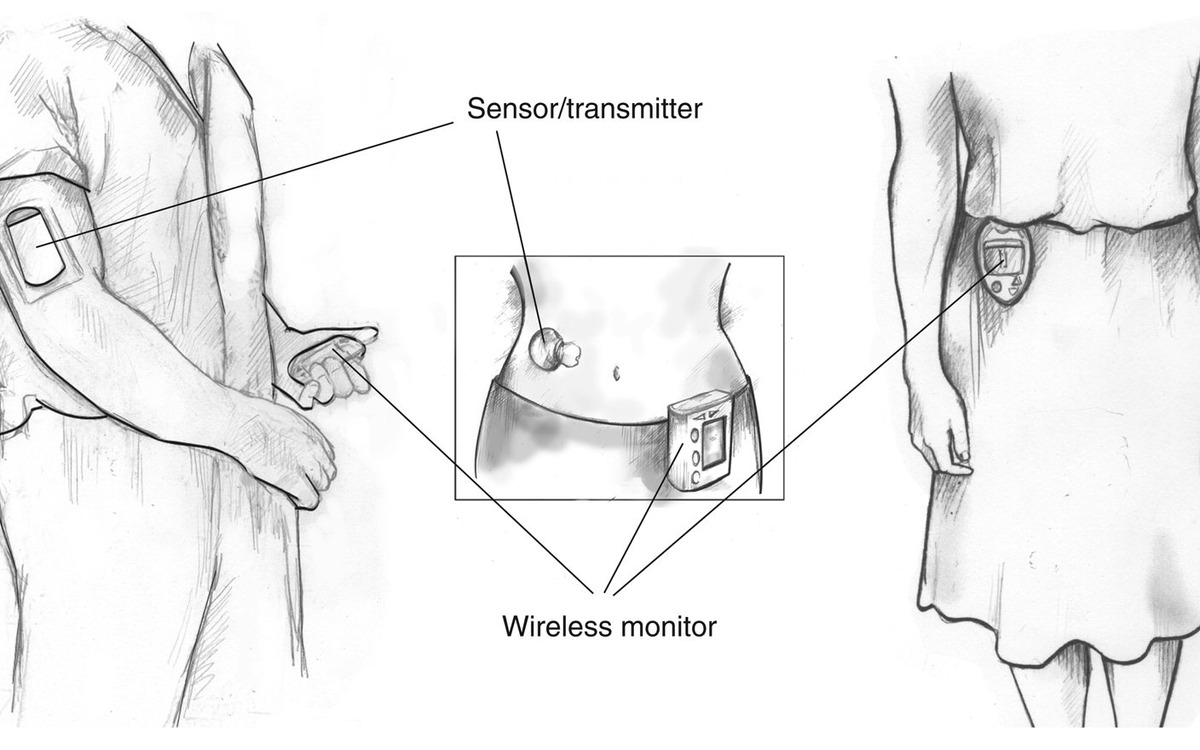
This is the section families ask about most, and it deserves a straight answer: insulin pump and CGM manufacturers advise that their devices should not go through X-ray machines or full-body scanners. Device makers including Medtronic, Tandem, Insulet, and Dexcom have published guidance that X-ray exposure can affect device performance, and they recommend requesting alternative screening instead.
What to do at the checkpoint:
- Tell the officer before screening begins that your child wears an insulin pump and/or CGM that should not go through the scanner.
- Request a pat-down instead of the body scanner. You have the right to ask, and officers handle these requests routinely.
- The pump and CGM can stay connected and on during a pat-down. Officers may ask to inspect the device visually and may swab it or your child’s hands for a quick explosives test. That is normal.
- Never remove a pump site or sensor just to get through security. It is not required.
For the metal detector and the walk-through, manufacturer guidance varies by device, and pumps and CGMs commonly set off alarms anyway. The pat-down route avoids the whole question.
Paperwork That Makes Everything Faster
The TSA notification card
TSA offers a free notification card for travelers with medical conditions. It does not exempt anyone from screening, but it lets you hand the officer a discreet, printed explanation instead of explaining your child’s diagnosis out loud in line. You can download and print it from TSA’s website before your trip.
A doctor’s letter
Ask your child’s endocrinology office for a short letter on letterhead stating the diagnosis and listing the supplies and devices your child must carry, including insulin, syringes or pen needles, pump, CGM, and glucagon. For domestic flights it is rarely requested. For international travel it is genuinely valuable, and it also helps with foreign pharmacies and airline staff.
The Packing Checklist
Pack double. Then add a little more. Supplies get dropped, sensors fail early, and return flights get delayed.
In your carry-on:
- Insulin: at least twice the trip’s expected supply, split between two bags if you travel with another adult
- Pump supplies (pods or infusion sets, reservoirs, chargers) and CGM sensors/transmitter: double the expected number
- Backup plan: syringes or insulin pens and long-acting insulin, in case the pump fails (confirm the backup plan with your care team before the trip)
- Blood glucose meter, test strips, lancets, and batteries, even if your child uses a CGM
- Glucagon (nasal or injection), and more than one if your care team recommends it
- Fast-acting glucose: tablets, gels, or juice boxes, in several places (seat pocket, personal item, supply bag)
- Ketone strips
- Prescriptions or pharmacy labels for everything
- Doctor’s letter and printed TSA notification card
- A cooling case for insulin (never place insulin directly against a frozen pack)
Replacing supplies mid-trip, especially abroad, can be expensive. If travel supply costs are one more strain on your family’s budget, you can apply for support through the Kopp Foundation for Diabetes, which helps families with everyday T1D costs.
Time Zones and Long Flights
Crossing time zones shifts meal and insulin timing, and there is no single rule that fits every child. Children on injections may adjust long-acting insulin timing gradually or all at once; children on pumps may simply change the clock on the device partway through the trip. Which approach is right depends on your child’s regimen, the direction of travel, and how many zones you cross.
Make this a five-minute conversation with your child’s care team before any trip longer than a couple of time zones, and write their instructions down. On the flight itself, keep fast-acting glucose within arm’s reach, check glucose more often than usual on travel days, and remember that excitement, airport food, and broken sleep all move numbers around. A rough day of readings on a travel day is normal and not a verdict on your management.

International Travel Notes
- Power: Pump chargers, receivers, and phones need the right plug adapter, and some need a voltage converter. Most modern chargers are dual-voltage; confirm before you rely on it.
- Pharmacy access: Insulin brands and concentrations can differ abroad (U-100 is standard in the US; other concentrations exist elsewhere). Carry enough to finish the trip, and know the generic names of your child’s insulins, not just brand names.
- Refrigeration: Ask the hotel for a mini-fridge in advance, and never freeze insulin against a hotel freezer pack overnight.
- Time and temperature: On long-haul flights, ask the crew to store nothing for you in aircraft refrigeration; keep the insulin case under the seat in front of you where temperatures are stable and access is instant.
Air travel with T1D is a logistics problem, not a barrier. Carry-on everything, double the supplies, ask for the pat-down, and the trip itself gets to be about the trip.
The Kopp Foundation for Diabetes provides education and peer support. This article is general information and is not medical advice. Device-handling guidance follows the manufacturers’ published recommendations; always follow your device maker’s current instructions and your child’s care plan, and direct medical questions to your child’s care team.