About Us

Led by
Dr. Conan Tu
Board Chair · Programs Chair
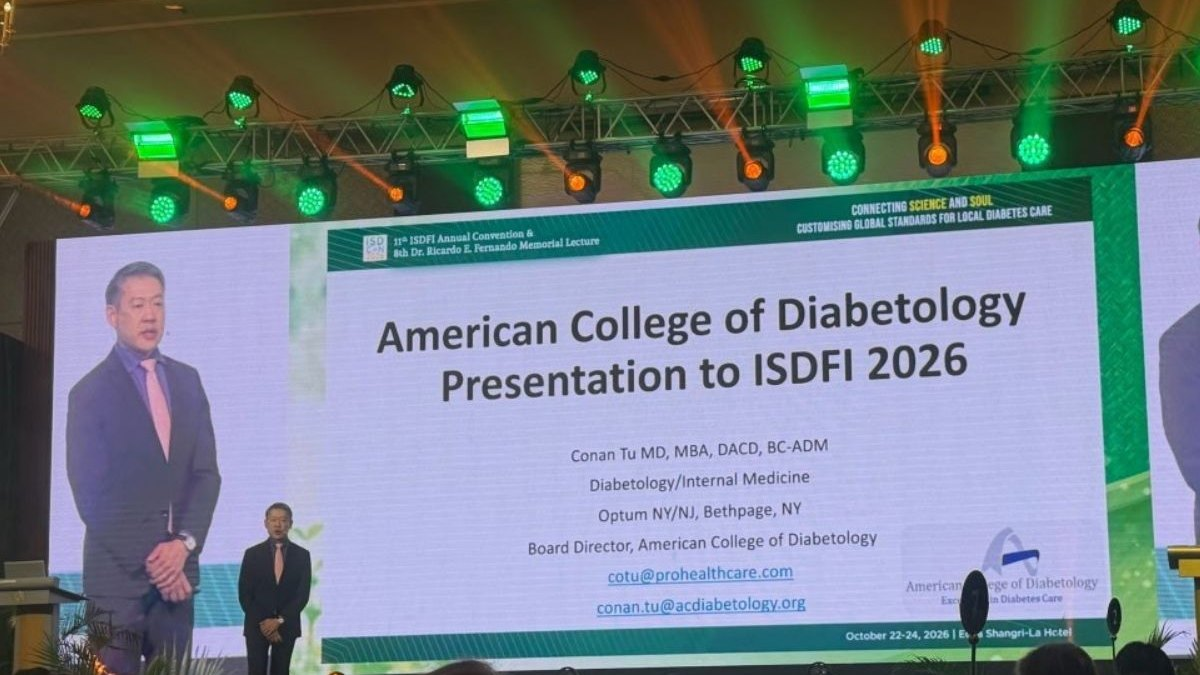
Dr. Tu teaches diabetes care to clinicians at national and international conferences. He reviews this page so students and families get the same accurate, current basics.
Meet the board →- Facts & Statistics
- Signs & Symptoms
- Risk Factors
- Early Detection & Diagnosis
- Diagnosis
- Treatment Options
- Prevention Strategies
- Health Equity
Type 1 Diabetes Information
Kopp Foundation for Diabetes is a youth-led nonprofit focused on type 1 diabetes. This page includes general diabetes information, some of which covers type 2 diabetes and prediabetes. For a type 1 diabetes overview — what T1D is, common signs, and how families can get support — start with our guide to type 1 diabetes.
Understanding Diabetes
Diabetes is a chronic condition that impacts how the body turns food into energy. Affecting over 537 million people globally, diabetes requires both awareness and innovation to prevent complications and improve lives. At the Kopp Foundation, we empower patients, caregivers, and healthcare professionals with the tools and knowledge they need to tackle this epidemic.
Facts & Statistics:
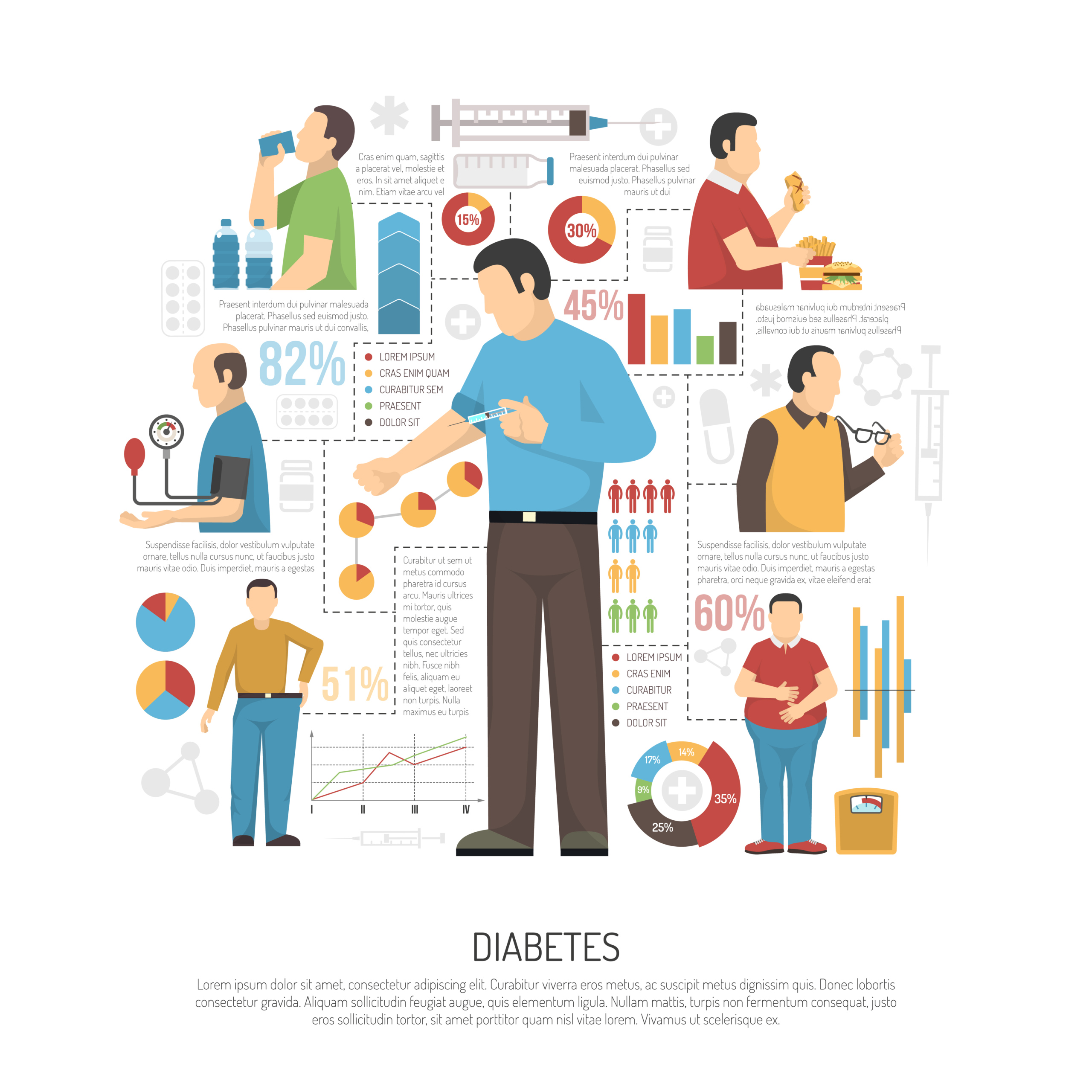
- 37 million Americans live with diabetes.
- 96 million adults in the U.S. have prediabetes, but 80% don’t know it.
- Rates of Type 2 Diabetes are growing fastest among adolescents and young adults.
- Philadelphia has one of the highest diabetes prevalence rates in the country.
Signs & Symptoms
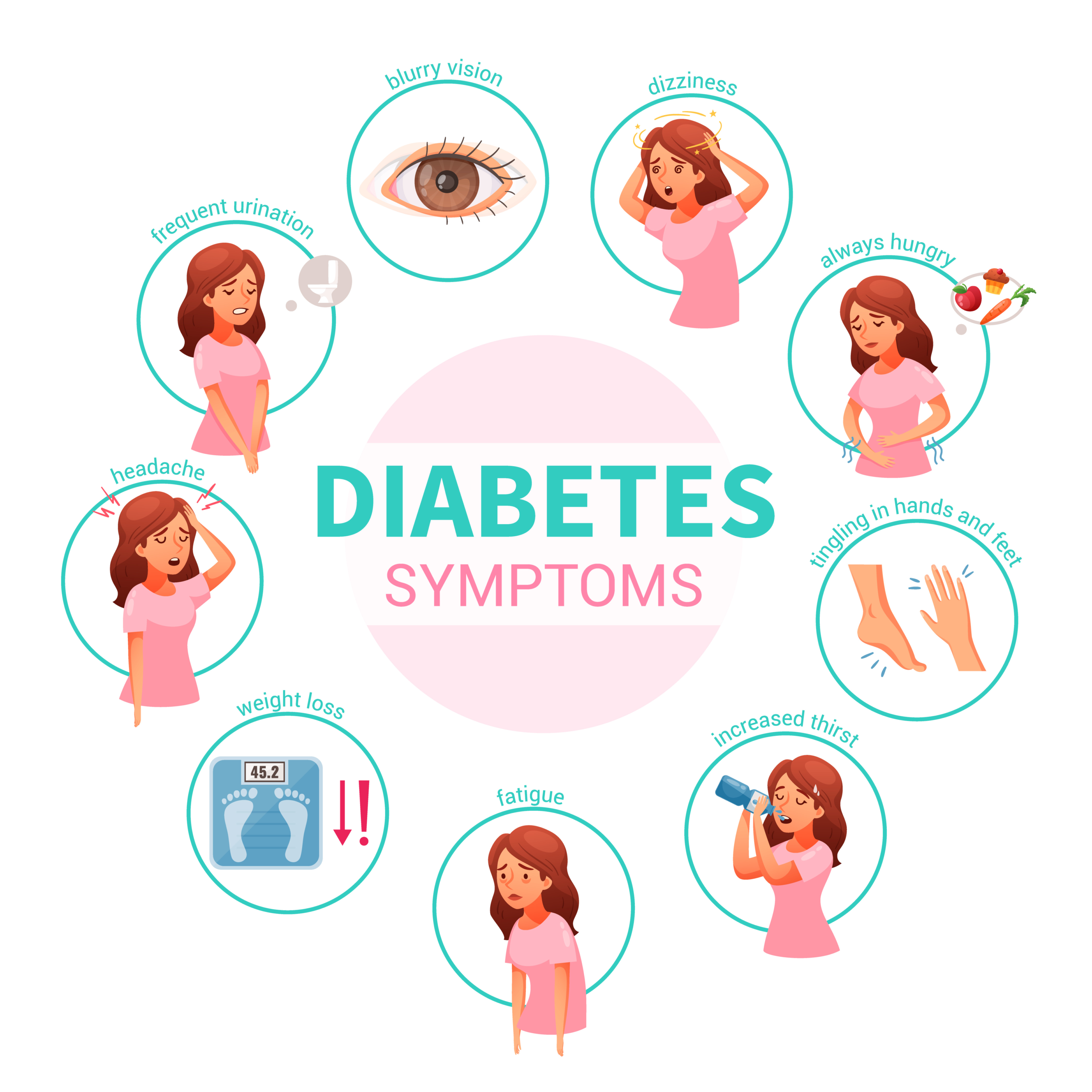
- Excessive thirst and frequent urination
- Unexplained weight loss
- Fatigue and irritability
- Blurred vision
- Slow-healing cuts and bruises
Who is at Risk?
The risk factors below are most often discussed for type 2 diabetes and prediabetes. Type 1 diabetes is an autoimmune condition and is not caused by diet or lack of exercise.
- Genetic predisposition
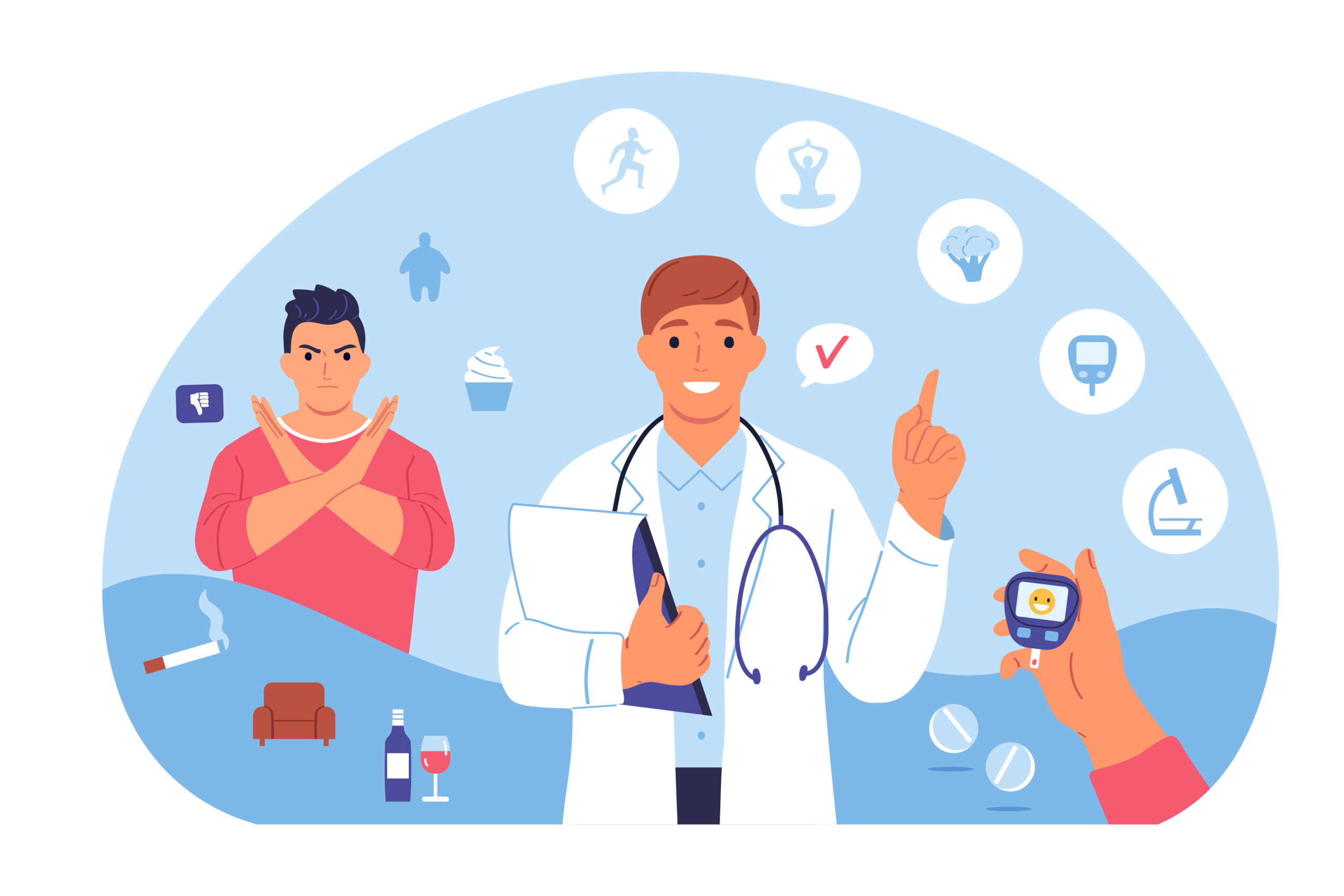
- Lifestyle factors: obesity, sedentary habits, poor diet
- Environmental influences: food deserts, lack of healthcare access
Early Detection & Diagnosis
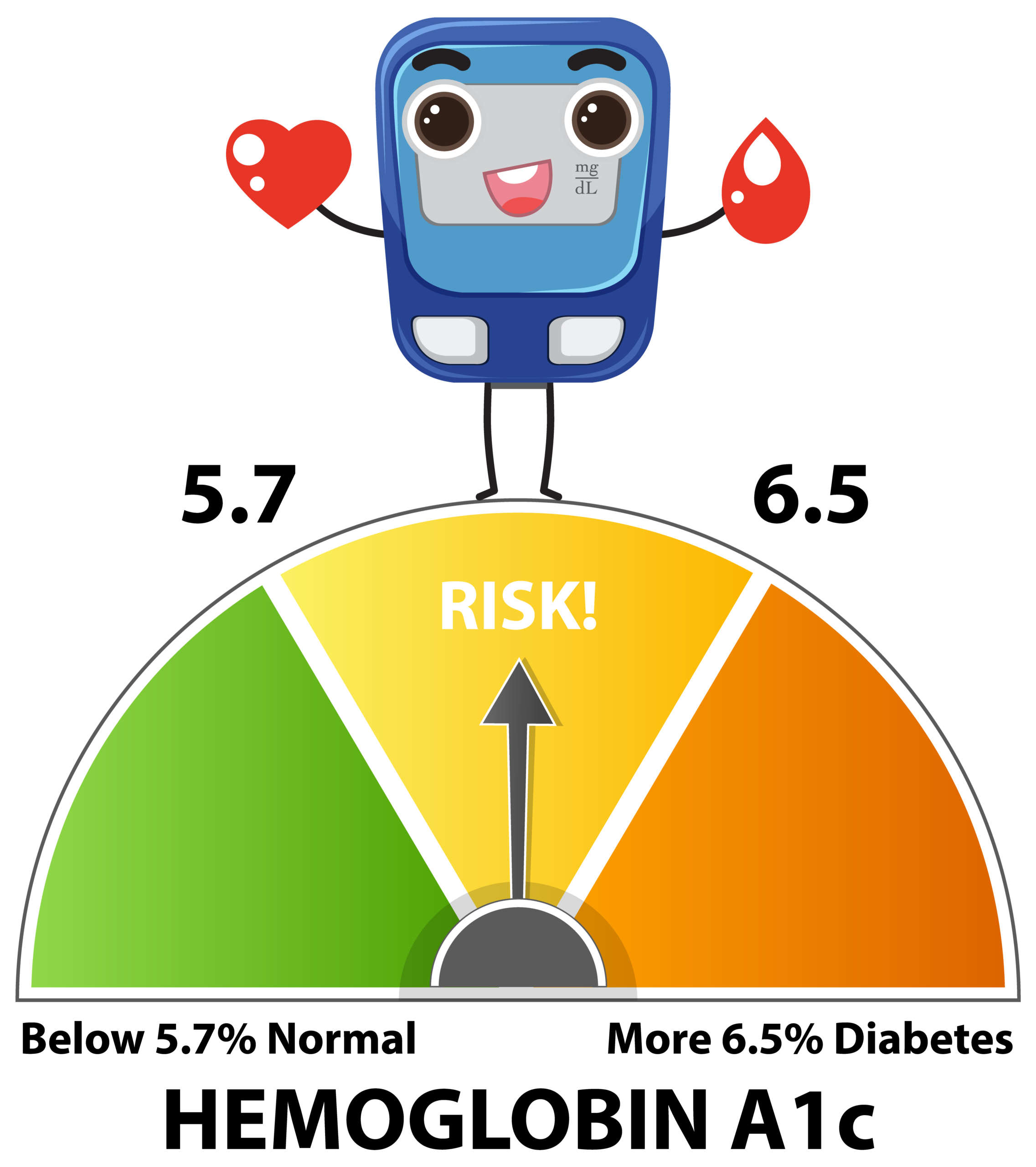
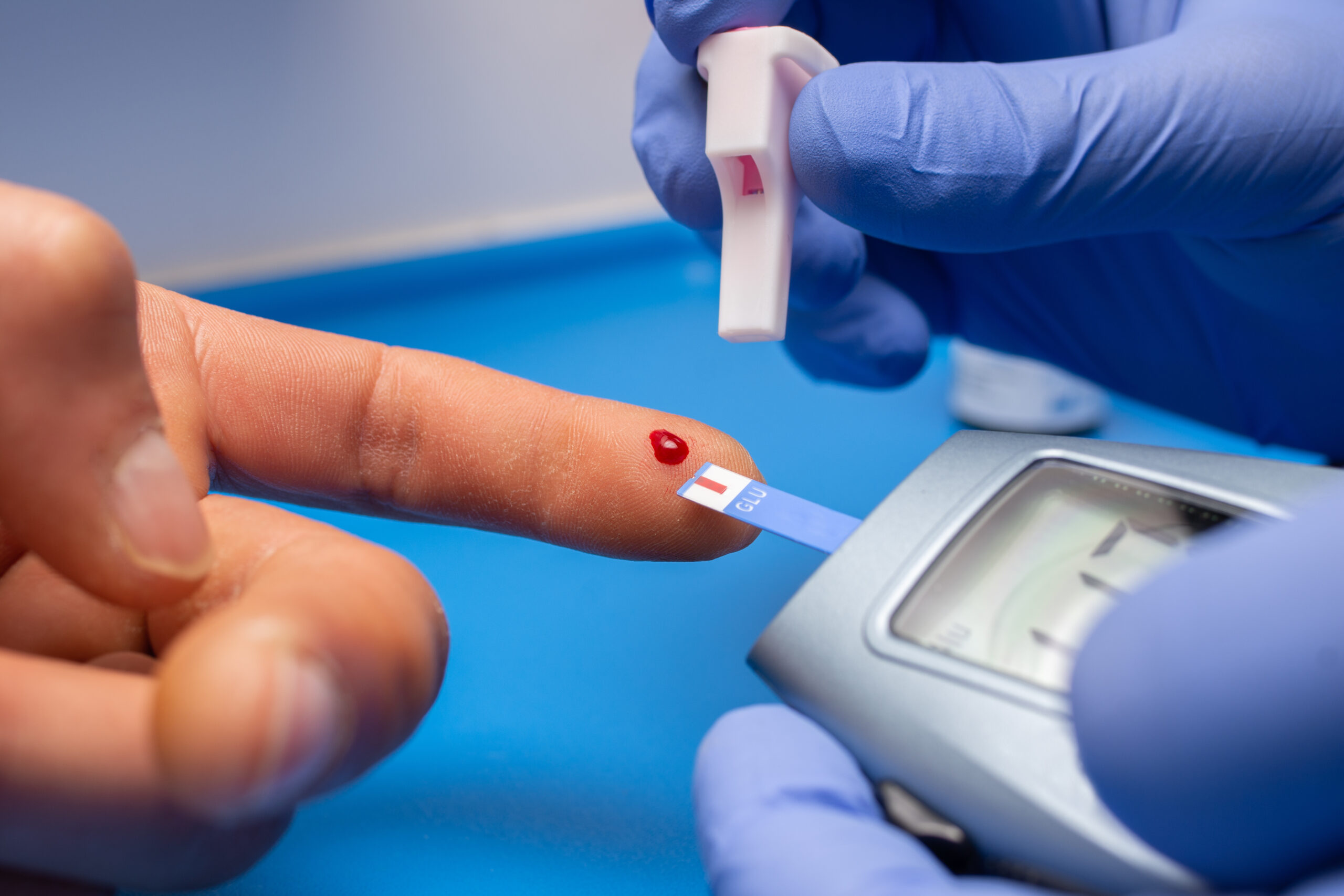
- HbA1c and fasting glucose tests remain gold standards.
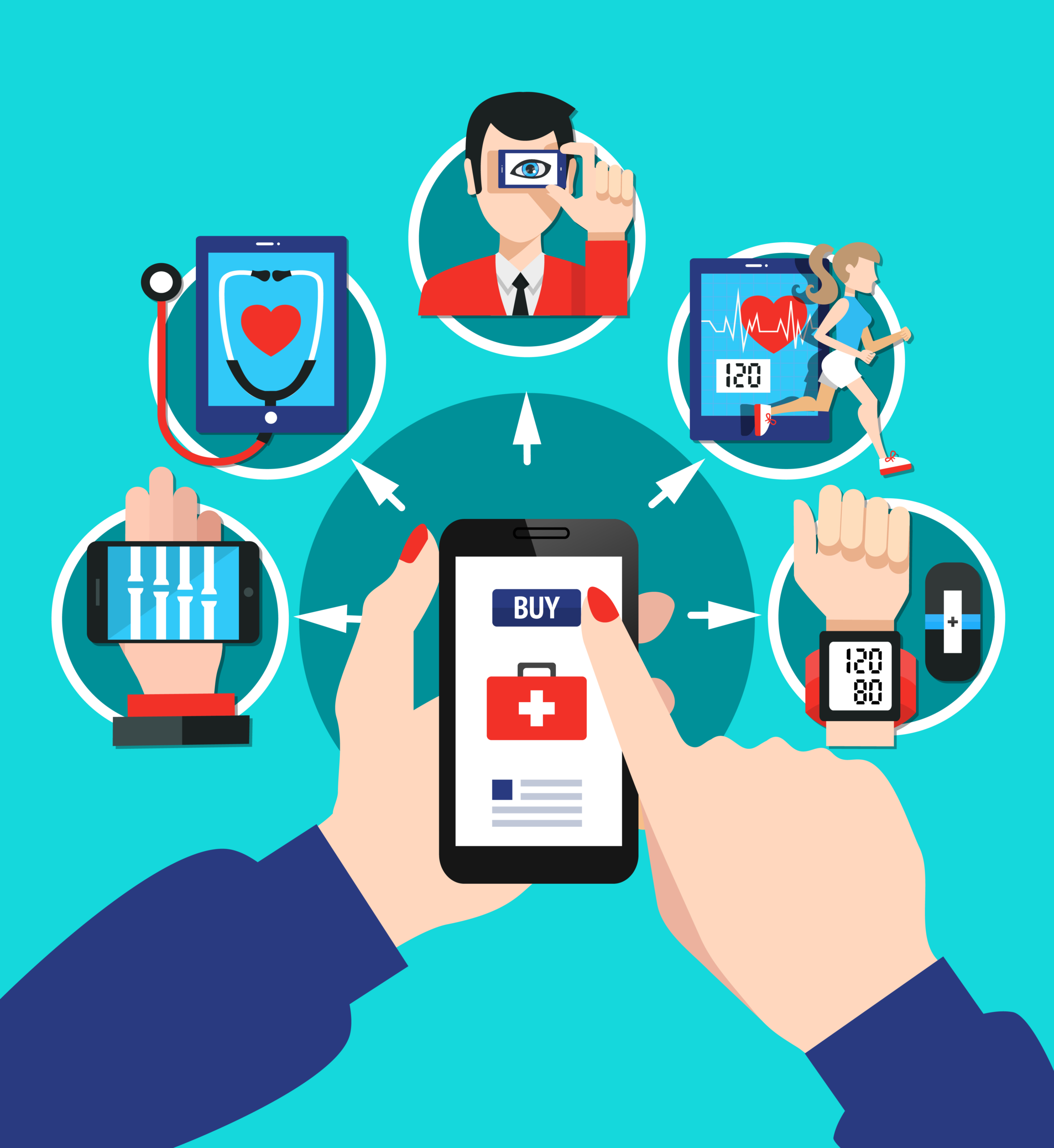
- New digital tools allow continuous glucose monitoring (CGM) without finger pricks.
Diagnosis
- Educational resources for newly diagnosed patients.
Treatment Options
- Insulin therapy for Type 1 Diabetes.
- Oral medications like metformin for Type 2 Diabetes.
- Innovative approaches: stem cell research and beta cell regeneration.
Type 2 diabetes prevention (this section is not about type 1)
Health Equity
Diabetes does not impact all communities equally.
- Black, Latino, and Indigenous populations experience higher rates and worse outcomes.