About Type1 Diabetes
Understanding Type 1 Diabetes (T1D)
Type 1 Diabetes is a chronic autoimmune condition in which the body attacks insulin-producing beta cells in the pancreas. It most commonly appears in children, teens, and young adults—and it requires lifelong insulin therapy.
The Kopp Foundation focuses on T1D because it strikes early, progresses fast, and disproportionately impacts youth who face major barriers to diagnosis, treatment, and support.
Fast Facts About T1D
- 1.45 million Americans live with T1D—including over 300,000 children
- T1D incidence is rising fastest among children under age 18
- 1 in 4 T1D patients in the U.S. ration insulin due to cost
- Most youth diagnosed with T1D had symptoms that went unrecognized for months
- Philadelphia has among the highest pediatric diabetes rates in the country
Know the Signs (Especially in Kids & Teens)
T1D symptoms can appear suddenly. Early recognition saves lives.

Excessive thirst and frequent urination

Extreme fatigue or irritability

Unexplained weight loss

Blurry vision

Slow-healing wounds

Fruity-smelling breath

Risk Factors
- While the exact cause of T1D is unknown, risk factors include:
- Family history of autoimmune disease
- Certain viral exposures
- Geographic and environmental triggers
- T1D is not caused by poor diet or lack of exercise.
Screening & Early Detection
- Our Youth Ambassadors and volunteers run:
- School screening days
- Community education campaigns
- Digital symptom awareness challenges
Treatment Today, Innovation Tomorrow
- Insulin: The core therapy—but still unaffordable for many
- CGMs: Real-time glucose monitoring is transforming lives
- Research: We fund next-gen treatments like stem cell therapies, gene editing, and non-invasive glucose tech
Prevention & Support
- While T1D can’t currently be prevented, early diagnosis and education can prevent complications.
- Healthy lifestyle coaching
- Mental health support for young patients
- Leadership and peer education through our Youth Academy
🤝 Health Equity & T1D
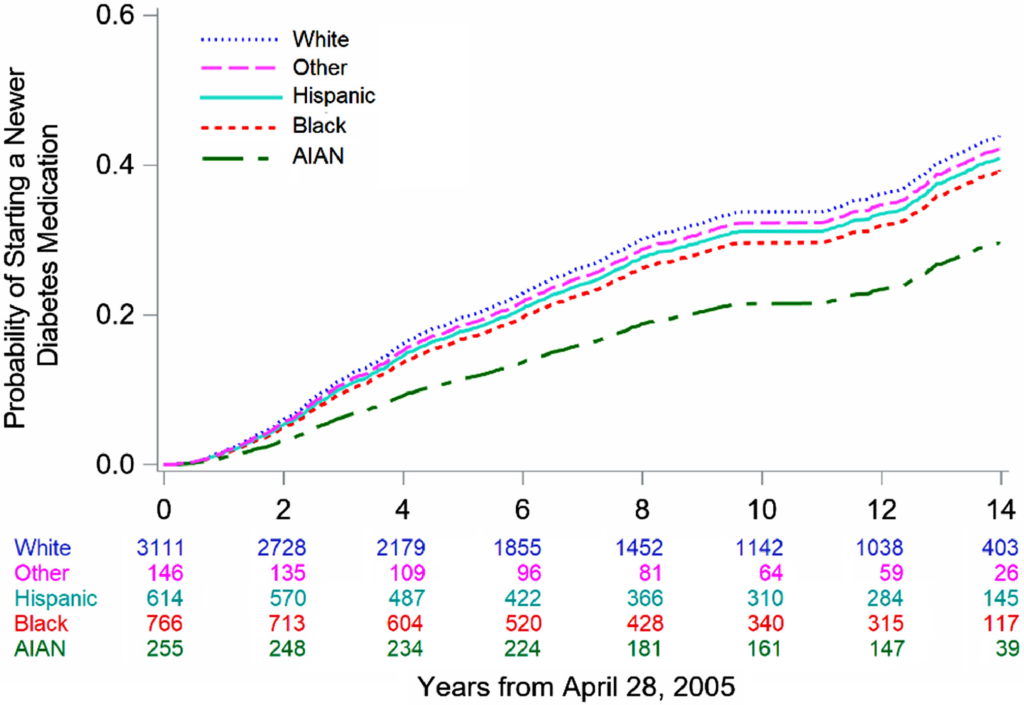
- Black, Latino, and Indigenous youth are:
- Diagnosed later
- Have less access to CGMs
- Are more likely to be hospitalized from diabetic complications
- We fight to fix that through free supplies, school-based care partnerships, and national advocacy.